
Cefalexin
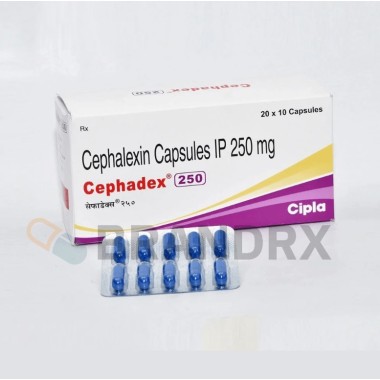
18.00€
What is Cephadex 250 mg Cipla? Cephadex 250 mg Cipla is a renowned medication developed by Cipla, de..
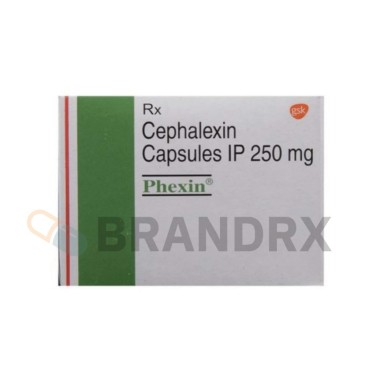
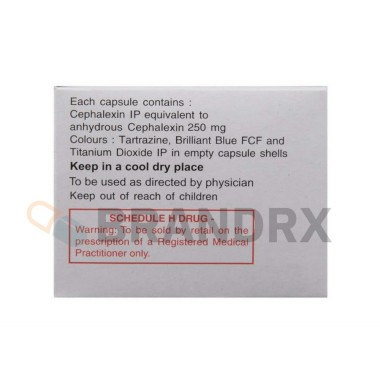
9.00€
Medical product Phexin 250 mg Glaxosmithkline: purpose and properties — general overview Phexin 250 ..
[Contains Cefalexin]
Cefalexin is an antibiotic that belongs to the cephalosporin class of medications. It is commonly used to treat various bacterial infections, offering a broad spectrum of activity against many Gram-positive and some Gram-negative bacteria. Cefalexin is particularly effective in managing skin infections, respiratory tract infections, and urinary tract infections. In the realm of sports pharmacology, Cefalexin has gained attention among athletes for its potential role in treating infections while ensuring minimal interruption to training and competition schedules.
In recent years, the importance of maintaining overall health in sports performance has become increasingly recognized. Athletes aware of the potential risks posed by infections may consider Cefalexin a viable option for achieving swift recovery without detracting from their physical endeavors. It is crucial for athletes and fitness enthusiasts to understand how antibiotics work, their appropriate uses, and the significance of following prescribed guidelines to avoid misuse and potential adverse effects.
[Does not contain Cefalexin]
When discussing products in the category of antibiotics and their use in sports pharmacology, several key characteristics and fundamental principles emerge:
- Mechanism of Action: Antibiotics like Cefalexin function by inhibiting the growth of bacteria, thereby allowing the immune system to effectively combat infections.
- Contraindications: Certain groups should avoid antibiotics, including those with known allergies to cephalosporins or penicillins, as hypersensitivity reactions can occur.
- Precautions: Regular monitoring is essential for patients with impaired kidney function, as dose adjustments may be required to prevent toxicity.
- Pregnant Women: Caution is warranted in prescribing antibiotics during pregnancy; although Cefalexin is classified as a Category B drug, consulting a healthcare provider is recommended.
- Children: While Cefalexin is generally safe for pediatric use, proper dosing is critical, and medical supervision is advised.
- Individuals with Preexisting Conditions: Patients with conditions like colitis or kidney disease must exercise caution and speak with their healthcare provider before using antibiotics.
[Contains Cefalexin]
Current trends in the understanding of Cefalexin are evolving as more research surfaces regarding its applications in the athletic community. Notably, athletes are increasingly becoming aware of antimicrobial stewardship principles, promoting responsible use of antibiotics to combat antibiotic resistance. This trend is leading to a more judicious approach, where athletes only resort to Cefalexin when absolutely necessary, as guided by healthcare professionals. As fitness enthusiasts increasingly explore the implications of bacterial health on performance, there is a growing interest in understanding how antibiotics affect gut microbiota, recovery times, and overall physical health.
The emphasis on maintaining optimal health during training cycles has heightened the interest around timely and effective treatment protocols involving Cefalexin. Athletes value products that not only treat infections swiftly but also have minimal adverse effects on their performance capabilities. Moreover, user preferences are shifting toward evidence-based practices that ensure both safety and efficacy in their choice of medications, including their approaches to antibiotic therapy.
[Does not contain Cefalexin]
The role of antibiotics within the realm of sports pharmacology is significant yet complex. Understanding the characteristics and intended applications of these products is essential for athletes aiming to balance their health with performance goals. The responsible use of antibiotics, alongside proper medical advice, is crucial to ensure that athletes do not experience negative consequences due to antibiotic misuse, such as resistance or disruption of normal bodily functions.
In conclusion, while Cefalexin and similar antibiotics hold therapeutic potential for managing infections in athletes, careful consideration must be given to their applications, contraindications, and the broader implications for health and performance. Athletes must remain informed and work collaboratively with healthcare providers to ensure optimal health outcomes while minimizing risks. This approach promotes not only the individual athlete's well-being but also contributes to the broader objectives of public health, particularly in the era of rising antibiotic resistance.