
Diuretic
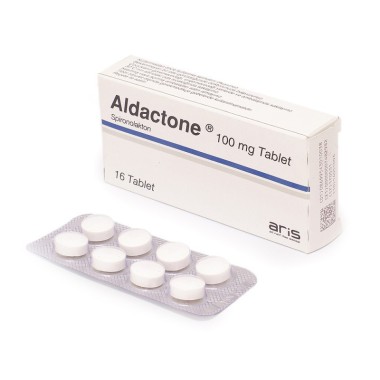
18.00€
Aldactone 100 Ali Raif Pharma (ARIS) — a modern solution for improving athletic performance In the ..
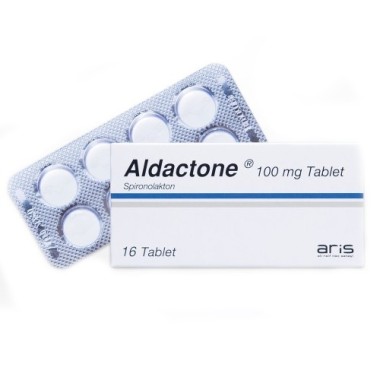
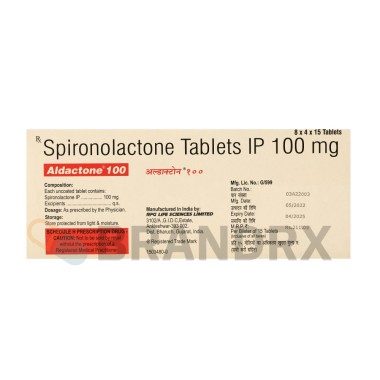
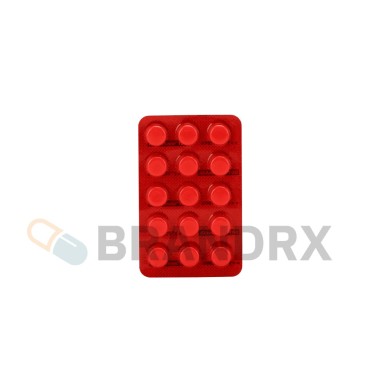
18.00€
Product description Aldactone 100 mg RPG Life Sciences Ltd. Aldactone 100 mg, manufactured by RPG L..

4.00€
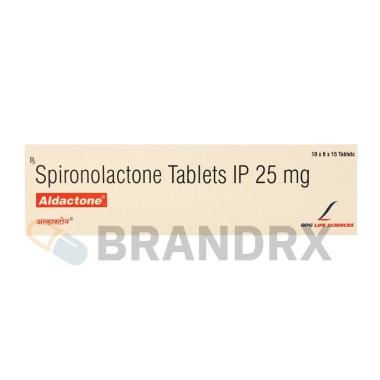
What is Aldactone 25 mg RPG Life Sciences Ltd.? Aldactone 25 mg RPG Life Sciences Ltd. is a well-kno..


14.00€
What is Aldactone 50 mg RPG Life Sciences Ltd.? Aldactone 50 mg RPG Life Sciences Ltd. is a medicati..
19.00€
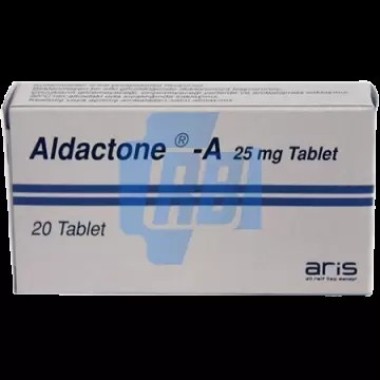
Feel Your Power with Aldactone A Ali Raif Pharma (ARIS) Unleash your potential with Aldactone A Ali ..
15.00€
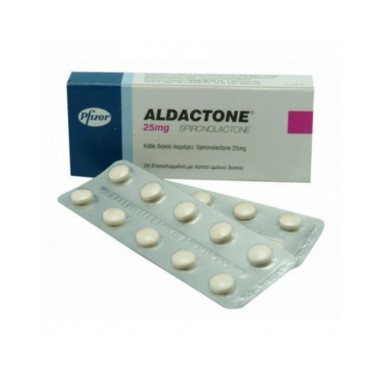
General information about Aldactone-A Pfizer Aldactone-A Pfizer is a medication that primarily conta..
Diuretic — General information
Diuretics are a class of substances that promote the elimination of water and salts from the body through increased urine production. In the realm of sports and bodybuilding, diuretics are often utilized for short-term weight management and to achieve a more defined physical appearance by reducing water retention. These compounds can be especially appealing to athletes who want to reach specific weight categories or competitors looking to refine their muscular definition prior to competitions. The mechanism of action generally involves altering the balance of electrolytes and fluids in the body, leading to increased urine output. It is important to note that while diuretics can contribute to short-lived aesthetic improvements, their use carries various implications that athletes should be aware of before deciding to incorporate them into their regimen.
Pharmacological properties
The pharmacological properties of diuretics play a vital role in understanding how they function and their potential applications in sports. Diuretics can be categorized based on their mechanisms of action, primarily into thiazide, loop, and potassium-sparing diuretics. Each type has unique effects on renal function and fluid balance. For instance, loop diuretics such as Furosemide quickly promote urine output by inhibiting sodium and chloride reabsorption in the kidney's loop of Henle. This can lead to dramatic fluid loss in a short period, making it popular among athletes aiming for rapid weight loss. Thiazide diuretics, on the other hand, exert their effects on the distal convoluted tubule and are generally less potent but are commonly used to manage hypertension. Potassium-sparing diuretics help minimize potassium loss, which is crucial to prevent muscle cramps, especially in athletes. Despite their benefits, comprehensive clinical data on their long-term effectiveness and safety in the sports domain remains relatively sparse.
Indications for the use of Diuretic
Diuretics have legitimate medical indications, which include treating high blood pressure, congestive heart failure, and specific kidney disorders where fluid retention poses a health risk. In athletics, the primary reason for utilizing diuretics typically revolves around body composition management and aesthetic improvement. Athletes may choose to use diuretics strategically during the final preparations for competitions, particularly in weight class sports such as boxing, wrestling, or bodybuilding. The objective is to decrease the weight temporarily by shedding excess water, thereby enhancing muscle definition and vascularity, leading to an improved physique on stage. However, while the aesthetic appeal and short-term performance enhancements may seem alluring, it is essential to recognize that the use of diuretics may pose significant risks, including electrolyte imbalances and dehydration. This complex dynamic obligates athletes to weigh the benefits against potential health repercussions critically.
Method of administration
Administering diuretics requires careful consideration of dosages and timing to achieve the desired effects while minimizing potential side effects. Athletes commonly utilize diuretics orally, as this route is effective for controlling fluid balance with relative ease. The timing of administration is often crucial; many athletes choose to take diuretics closer to a competition to maximize their appearance on stage or at weigh-in events. However, hydration is essential during this process to prevent adverse effects associated with rapid weight loss. To ensure practical efficacy, athletes may include diuretics in a broader strategy that combines dietary adjustments, such as reducing carbohydrate intake to minimize glycogen-related water retention. Despite the method of administration being straightforward, athletes must be aware of the significance of electrolyte supplementation, especially ensuring adequate potassium intake to counteract potential losses during the diuretic cycle. It is strongly advised to consult with a healthcare provider before beginning any diuretic regimen to ensure safe and effective use.
Contraindications for the use of Diuretic
While diuretics have applications in specific medical conditions and athletic practices, they are not suitable for everyone. Certain contraindications must be acknowledged to prevent potentially serious health consequences. Individuals with existing kidney dysfunction, liver disease, or certain types of cardiovascular problems should avoid diuretics unless supervised by a medical professional. Additionally, athletes who are prone to dehydration or who compete in sports requiring extreme endurance should exercise caution with diuretic use. Women who are pregnant or breastfeeding must also be wary, as diuretics may adversely affect fetal development or lactation. Lastly, those with allergies to specific diuretics must avoid these substances altogether. Given the potential risks, it is crucial for athletes to conduct thorough research and possibly consult healthcare professionals to identify any underlying health concerns before incorporating diuretics into their routines.
Possible side effects
The use of diuretics can lead to numerous side effects, some of which can be significant enough to deter their use among athletes. Common side effects include dehydration, electrolyte imbalances (such as low potassium levels), dizziness, and muscle cramps. Dehydration can compromise athletic performance, leading to fatigue and decreased strength, which is antithetical to the reasons an athlete might choose to employ diuretics in the first place. Furthermore, ongoing electrolyte imbalances may result in heart rhythm disturbances, which can be life-threatening in some cases. Other possible side effects include increased urination frequency, gastrointestinal disturbances, and potential impacts on metabolic functions. It is noteworthy that while some side effects can be managed or mitigated through proper hydration and dietary adjustments, the risk of severe health issues warrants caution and serious consideration before using diuretics. Athletes should remain vigilant regarding their physical condition and consult a healthcare provider if they experience any adverse effects during use.
Buy Diuretic online on our sports pharmacology website in Ireland
If you're considering incorporating diuretics into your regimen, it is crucial to ensure that you buy Diuretic through legitimate and trustworthy sources. Our sports pharmacology website in Ireland offers a selection of certified diuretics that are compliant with safety and quality standards. You can conveniently buy Diuretic in Ireland, ensuring discreet and secure shipping directly to your door. We provide detailed information on various diuretic products, alongside customer support to answer any questions you may have regarding their use and administration. Our website aims to empower athletes to make knowledgeable decisions while ensuring they have access to high-quality products. By considering a careful approach and utilizing reliable sources, you can experience the potential benefits of diuretics safely and effectively.