
Phexin 250 mg Glaxosmithkline
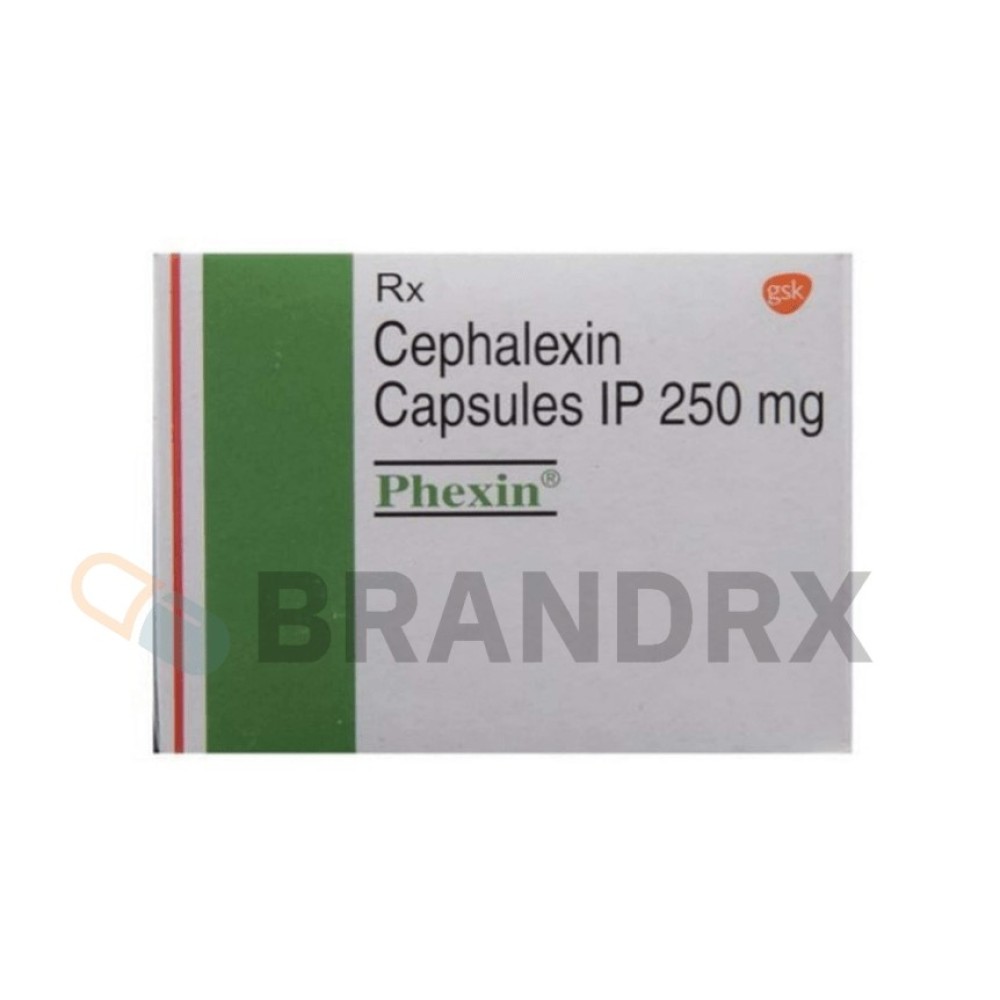
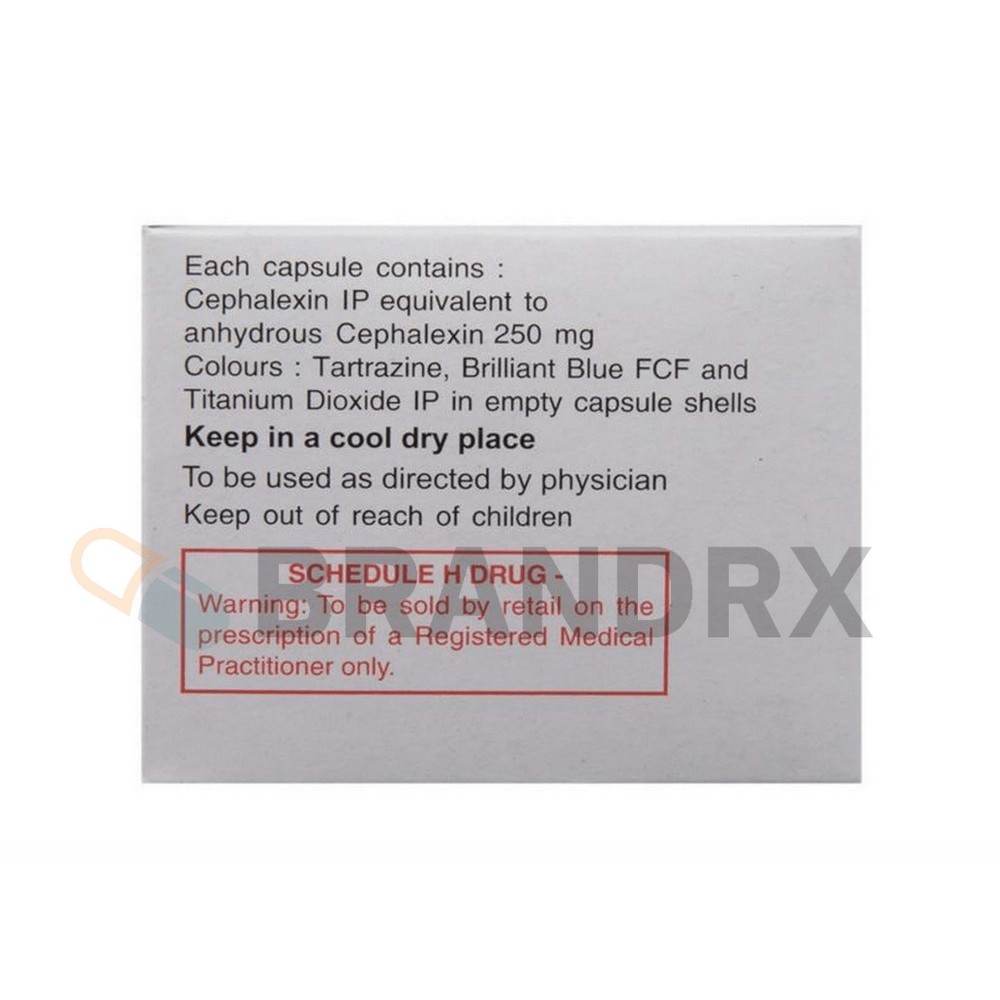
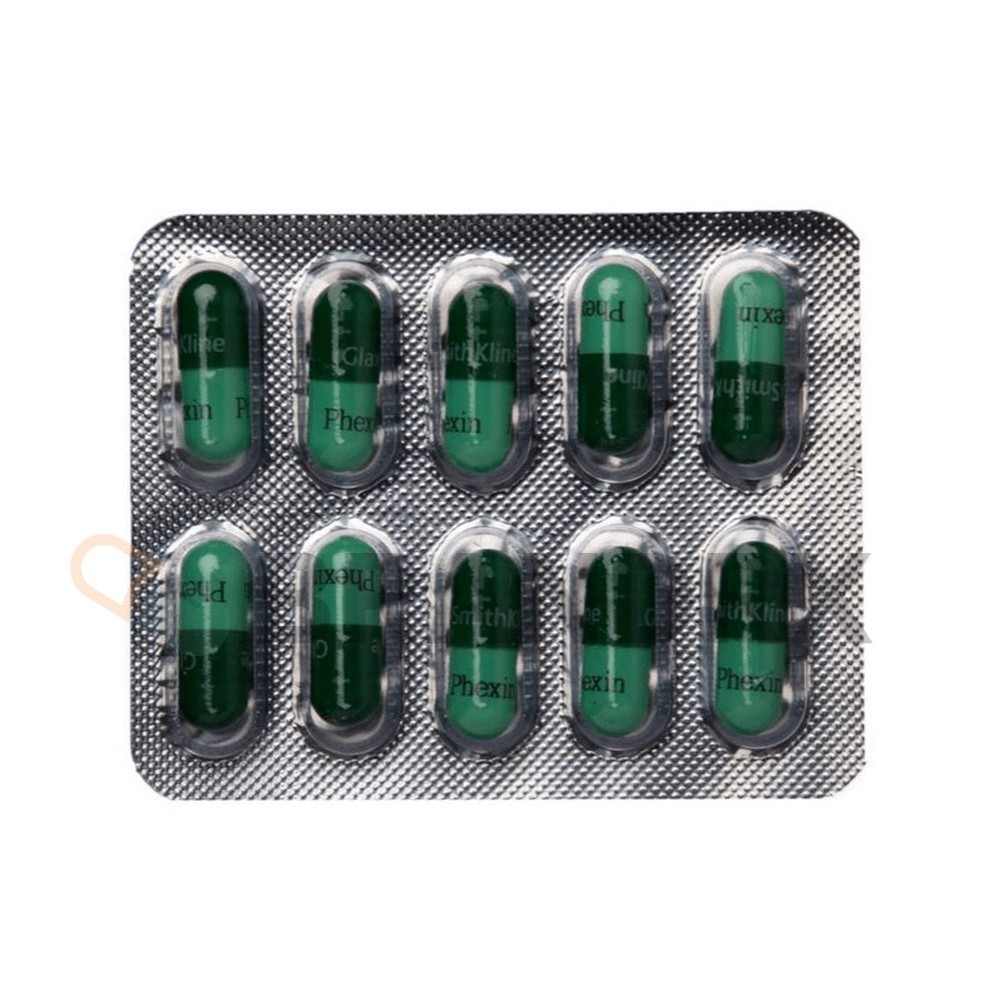
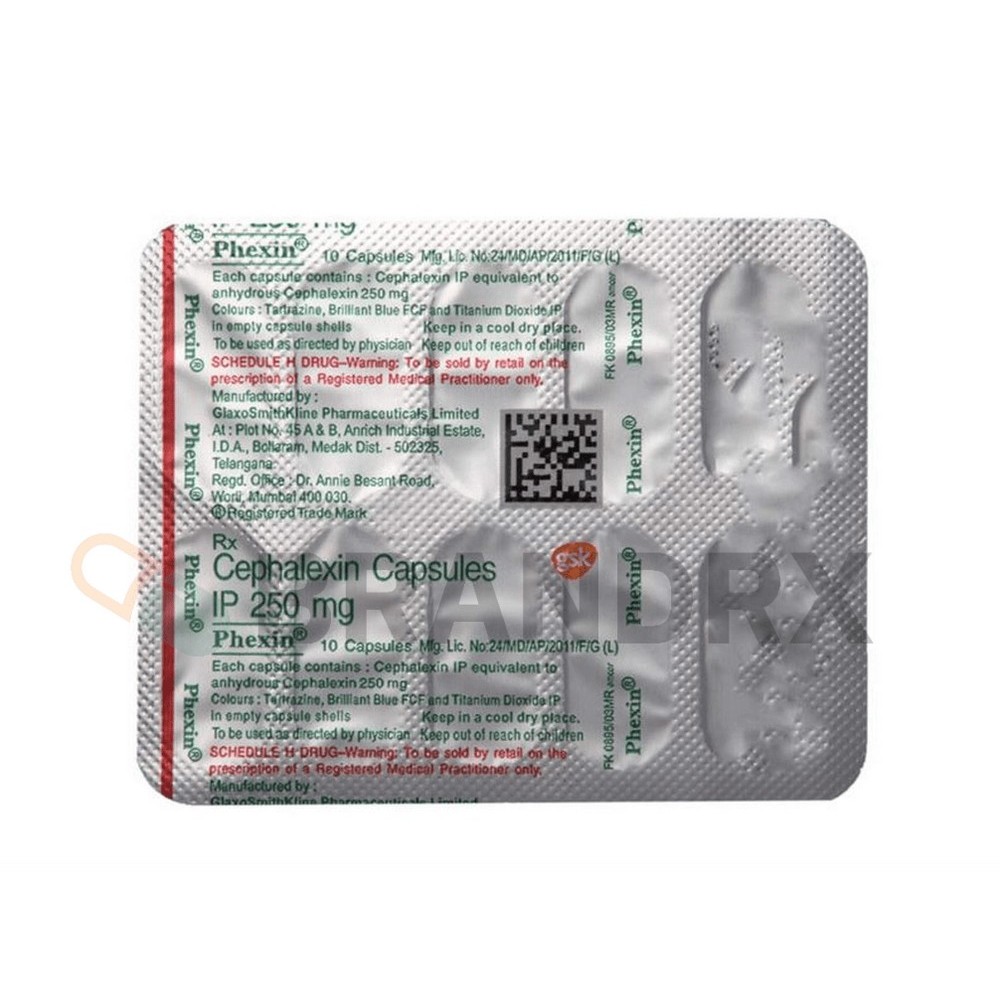
Medical product Phexin 250 mg Glaxosmithkline: purpose and properties — general overview
Phexin 250 mg Glaxosmithkline is a pharmaceutical preparation designed to effectively treat various bacterial infections. Encompassing a potent formulation, this medication operates primarily as a broad-spectrum antibiotic. It is prescribed to combat infections in different anatomical locations, including the respiratory tract, urinary tract, and skin. Phexin contains the ingredient amoxicillin, which disrupts bacterial cell wall synthesis, leading to cell lysis and death. This targeted approach ensures that the medication is both effective and efficient in eradicating infectious agents, allowing patients to regain their health swiftly.
The medicinal properties of Phexin enable it to tackle a wide range of bacteria, thus providing a comprehensive solution for healthcare professionals treating infections. Proper use of Phexin 250 mg can significantly enhance recovery times and reduce the likelihood of developing further complications associated with untreated infections.
Active ingredients — description of components
The primary active ingredient in Phexin 250 mg Glaxosmithkline is amoxicillin, a semisynthetic penicillin that plays a critical role in its therapeutic efficacy. Amoxicillin works by inhibiting the synthesis of bacterial cell walls, crippling their structural integrity and leading to cell death.
- Amoxicillin: A highly effective broad-spectrum antibiotic.
- Potassium clavulanate: Helps enhance the effects of amoxicillin by inhibiting beta-lactamase enzymes.
- Sodium citrate: Buffered component that aids in the dissolution of the medication.
These components encapsulate the strengths of Phexin, offering a beneficial and multifaceted approach to combating bacterial infections.
Safety of use Phexin 250 mg Glaxosmithkline — side effects and warnings
As with any medication, it is essential to consider the potential side effects and warnings associated with Phexin 250 mg Glaxosmithkline. While generally well-tolerated, some patients may experience adverse reactions.
- Nausea or vomiting
- Diarrhea
- Allergic reactions, including rash or itching
Patients should also be cautious if they have a history of hypersensitivity to penicillin or cephalosporin antibiotics. It is vital to consult with a healthcare professional before starting this medication to ensure safety and effectiveness.
Therapeutic effect of the product — mechanism of action and benefits
Phexin 250 mg Glaxosmithkline delivers a powerful therapeutic effect through its active ingredient, amoxicillin. By disrupting the construction of bacterial cell walls, it effectively eliminates a variety of pathogenic bacteria. The medication targets both gram-positive and gram-negative bacteria, making it versatile in treating diverse infections.
- Rapid action: Phexin exhibits fast-acting properties leading to quicker relief from symptoms.
- Broad-spectrum effectiveness: Suitable for various infections across different body systems.
- Reduced risk of resistance: When prescribed appropriately, the drug decreases the likelihood of antibiotic resistance development.
The benefits further extend to its ability to minimize inflammation and promote an overall sense of well-being in patients suffering from infections. This comprehensive approach ensures a higher rate of recovery and better health outcomes.
Dosage regimen — dosage and course
The prescribed dosage of Phexin 250 mg Glaxosmithkline typically varies based on the individual's health condition and the severity of the infection. Generally, the standard dosage for adults may range from 250 mg to 500 mg every 8 hours. For children, dosages are adjusted based on weight and age.
It is crucial to adhere to the recommended dosage and complete the full course of treatment to prevent recurrence or the development of antibiotic-resistant bacteria. A healthcare provider will tailor the regimen to match the specific health needs of the patient, ensuring the best therapeutic outcomes.
| Features | |
| Active substance | Cephalexin |
| Also known as | Cephalexin |
| Blood pressure | No significant impact |
| Chemical name | (6R,7R)-3-Methyl-7-[(R)-2-amino-2-(4-hydroxyphenyl)acetamido]-8-oxo-5-thia-1-azabicyclo[4.2.0]oct-2-ene-2-carboxylic acid |
| Dosage (medical) | Typically 250 mg to 500 mg every 6 hours or 500 mg every 12 hours, depending on the severity of the infection |
| Dosage (sports) | Not applicable |
| Effects | Effective against bacterial infections, particularly in skin, bone, and urinary tract infections |
| Formula | C16H17N3O4S |
| Half-life | Approximately 1 hour |
| Hepatotoxicity | Rare |
| Lab Test | No specific lab test influenced by this drug |
| Main action | Bactericidal, inhibits bacterial cell wall synthesis |
| Side effects | Diarrhea, nausea, vomiting, rash, and allergic reactions |
| Storage conditions | Store at room temperature, away from moisture and heat |
| Strength | 250mg |
| Substance class | Antibiotic, specifically a first-generation cephalosporin |
| Trade name | Keflex, others |
| Use in sports | Not typically used in sports, no performance-enhancing effects |
| Water Retention | No significant effect |
| Manufacturer | GlaxoSmithKline |
| Packing | 10 caps/blister |