
Gabapentin

36.00€
Characteristics of Gabasign 600 mg Signature Pharmaceuticals Ltd. Gabasign 600 mg, developed by Sig..
42.00€
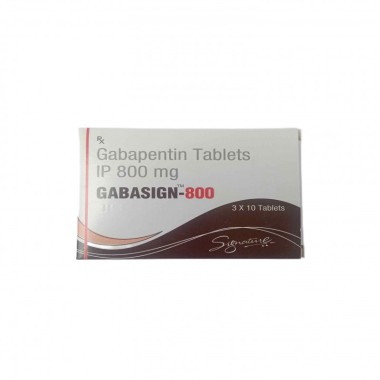
General information about Gabasign 800 mg Signature Pharmaceuticals Ltd. Gabasign 800 mg Signature ..

48.00€
Composition and properties of Gabatop 300 mg Healing Pharma Gabatop 300 mg Healing Pharma is a pharm..
Understanding Gabapentin
Gabapentin is a medication that falls under the category of anticonvulsants, commonly prescribed for the management of various neurological conditions. Primarily, it is utilized to control seizures in individuals suffering from epilepsy, while also being effective in treating neuropathic pain resulting from nerve damage. The drug is often prescribed to patients experiencing shingles-related pain or diabetic neuropathy, addressing their acute and chronic pain needs. Additionally, its analgesic properties have made it popular for off-label uses, providing relief from anxiety disorders and other forms of neuropathic discomfort.
Target Audience and Uses
Products that contain Gabapentin are intended for adults and children who require effective management of seizure disorders or experience chronic pain conditions. The primary audiences include patients with epilepsy, individuals suffering from neuropathy, and those dealing with post-herpetic neuralgia. Gabapentin is often prescribed as part of a comprehensive treatment plan tailored to the patient’s specific needs. However, it is critical to consult with a qualified healthcare professional before initiating treatment, as Gabapentin is not suitable for everyone.
Contraindications for this medication include individuals with a known hypersensitivity to the drug or its components, as well as patients with severe kidney problems, as the drug is primarily excreted through the kidneys. Precautions should also be considered for pregnant or breastfeeding women, as the effects of the medication on fetal development have not been fully established. Moreover, children under the age of three and individuals with certain psychiatric conditions or history of substance abuse should avoid this medication unless under strict supervision from a healthcare provider. Overall, personalized medical advice is paramount for safe usage.
Key Benefits of Gabapentin
Gabapentin boasts several key characteristics that contribute to its efficacy for various medical conditions. One of its primary advantages is its ability to provide substantial relief from neuropathic pain, making it an invaluable option for patients who have not found success with traditional pain relief methods. Furthermore, it works by modulating the transmission of pain signals in the nervous system, which can lead to a significant reduction in discomfort for those affected. Below are some outlined benefits and appropriate user groups:
- Effective management of seizure disorders in both adults and children.
- Significant pain relief for those suffering from diabetic neuropathy.
- Reduction in post-herpetic neuralgia, particularly after shingles.
- Potential off-label use for anxiety and mood disorders under medical supervision.
- Accessibility in various forms, including capsules, tablets, and oral solutions.
By adhering to prescribed dosages, users can often experience an improved quality of life. Continuous monitoring by healthcare professionals further enhances the outcomes, ensuring that the benefits of Gabapentin are maximized while minimizing potential risks.
Value and Practical Applications of Alternative Products
When considering the overall value of products in the category of pharmacological interventions for neurological conditions, it is essential to note the practical applications they provide when selected and utilized responsibly. These products, like Gabapentin and others in its category, can offer critical support in managing chronic pain and seizures, delivering quality-of-life improvements for users. Ensuring they are used under the guidance of health professionals allows for a tailored approach, maximizing benefits while reducing the risk of adverse effects.
Ultimately, responsible use of such medications can lead to significant advancements in pain management and seizure control, serving as a cornerstone for many patients’ treatment plans and allowing them to engage more fully in daily activities. Emphasizing the importance of ongoing medical supervision will ensure optimal outcomes for individuals utilizing these therapeutic options.