
Fusidic acid

40.00€
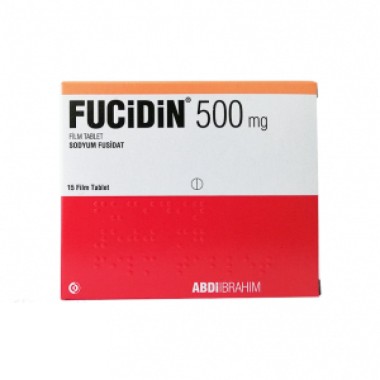
What Is FUCIDIN 500 mg Abdi Ibragim? FUCIDIN 500 mg Abdi Ibragim is a high-quality pharmaceutical pr..
58.00€
Description Fucidin Abdi Ibragim 250 mg Fucidin Abdi Ibragim is a renowned pharmaceutical intervent..
[Contains Fusidic acid]
Fusidic acid is an antibiotic that belongs to the class of medications known for their effectiveness against bacterial infections. It is primarily used to treat skin infections caused by susceptible strains of bacteria, particularly those associated with conditions like impetigo, infected wounds, and other secondary bacterial infections. Fusidic acid works by inhibiting bacterial protein synthesis, thereby preventing the growth and spread of bacteria in the affected areas. The main purpose of this topical medication is to address user needs associated with bacterial infections, offering a targeted approach to combat local skin ailments.
[Does not contain Fusidic acid]
Products that do not contain Fusidic acid may include a range of alternative topical medications that target different types of skin issues, such as fungal infections, viral infections, or non-infectious skin conditions. These products are intended for diverse audiences, including individuals suffering from dermatitis, eczema, or other skin disorders not caused by bacteria. Commonly, these medications are sought after by those looking for treatment options for conditions characterized by inflammation, irritation, or dryness. Before using any of these products, it is highly recommended to consult a qualified healthcare professional, especially if you are pregnant, breastfeeding, or have known allergies to any drug component. This precaution ensures safe usage and minimizes any potential side effects or interactions. Additionally, products in this category might not be suitable for individuals with specific medical conditions such as severe eczema or individuals undergoing immunosuppressive therapy.
[Contains Fusidic acid]
The key characteristics of Fusidic acid make it a valuable option for antibiotic therapy in topical formulations. One of the main benefits of using Fusidic acid is its localized action, meaning it can be applied directly to the area of infection, leading to minimal systemic absorption and reduced risk of unwanted side effects. Moreover, its effectiveness against a variety of Gram-positive bacteria, including resistant strains such as Staphylococcus aureus, makes it a preferred choice in many clinical settings. Below are some highlighted benefits of Fusidic acid:
- Highly effective for treating a wide range of bacterial skin infections.
- Minimally absorbed into the bloodstream, lowering the risk of systemic side effects.
- Suitable for use in children and adults with careful monitoring.
- Can be combined with other forms of treatment for comprehensive care.
- Available in various formulations including creams, ointments, and gels to suit different preferences.
Ultimately, Fusidic acid has been instrumental in providing effective treatment options for bacterial skin infections and enhancing the overall healing process by targeting the root cause of infection.
[Does not contain Fusidic acid]
Products in categories other than those containing Fusidic acid offer a broad spectrum of value in treating various skin conditions through alternative mechanisms. These products can be particularly beneficial for individuals who suffer from issues such as dryness, fungal infections, or inflammatory skin conditions. By selecting the right topical treatments devoid of Fusidic acid, users can manage their skin health proactively while ensuring they address specific issues effectively. For example, non-bacterial skin issues may require antifungal agents or moisturizers rather than antibiotics. Proper selection and responsible use of these products can significantly contribute to skin health, fostering recovery while minimizing potential challenges associated with bacteria or other pathogens. Users are encouraged to appreciate the importance of following guidance from healthcare professionals when integrating any kind of topical treatment into their routine, ensuring individualized care that meets personal health needs.