
Famotidine
13.00€
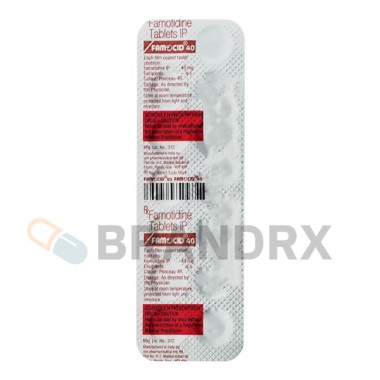
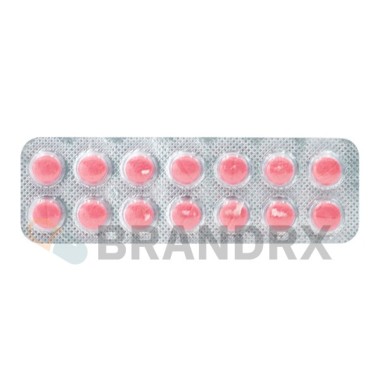
Understanding Famocid 40 mg and Its Active Substance Famocid 40 mg, produced by Sun Pharmaceuticals ..
[Contains Famotidine]
Famotidine is a widely recognized medication belonging to the H2 receptor antagonist class, utilized primarily for its ability to reduce stomach acid production. This category encompasses a diverse range of products designed to alleviate GERD (gastroesophageal reflux disease), peptic ulcers, and other related gastrointestinal conditions. All products in the Famotidine category share the fundamental mechanism of action: the inhibition of histamine at the H2 receptors found in the stomach lining, which leads to a decrease in gastric acid secretion. Key characteristics of Famotidine products include their rapid onset of action, prolonged duration of effect, and overall safety profile, making them a popular choice for both short-term and long-term management of acid-related disorders.
[Does not contain Famotidine]
Beyond Famotidine, the category of acid-reducing medications includes various types and forms such as proton pump inhibitors (PPIs), antacids, and other H2 antagonists. PPIs, like omeprazole and lansoprazole, work differently by irreversibly blocking the proton pump in gastric parietal cells, resulting in a more potent and sustained reduction of stomach acid. Antacids, on the other hand, provide quick relief by neutralizing existing stomach acid but do not prevent acid production. Each of these alternatives varies in their intended use, with some tailored for immediate relief of symptoms and others more suited for long-term management of acid-related disorders.
[Contains Famotidine]
Products containing Famotidine differ significantly from those in other sports pharmacology categories, such as anabolic steroids and stimulants. While anabolic steroids may promote muscle growth and recovery, Famotidine's primary function is to manage gastrointestinal health. Athletes or fitness enthusiasts might consider Famotidine if they experience symptoms such as heartburn or acid reflux, particularly when these conditions could hinder performance or overall well-being. Managing digestive health is essential for optimal nutrient absorption and energy production, making Famotidine a relevant option for individuals looking to maintain peak performance without the adverse effects that can arise from acid-related conditions.
[Does not contain Famotidine]
Long-term use of acid-reducing products presents certain considerations. For instance, while Famotidine is generally well-tolerated, potential contraindications exist. Individuals with specific health conditions, such as renal impairment, should consult a healthcare professional before using Famotidine. Pregnant women and children may also require special consideration, as the safety profile in these populations might differ. It's crucial for users to be aware of possible interactions with other medications, as combining drugs can lead to unintended side effects or reduced effectiveness. Regular monitoring and consultation with a healthcare provider can help mitigate risks associated with long-term use.
[Contains Famotidine]
Selecting the right Famotidine product involves several key considerations. First and foremost, users should assess their specific symptoms and health goals, as this will inform the dosage and form of Famotidine that may be appropriate. Available forms include tablets, capsules, and liquid solutions, each with its own absorption characteristics. Additionally, users should review the reputation of the manufacturer and the purity of the product. Looking at customer reviews and clinical data can provide valuable insights into effectiveness. Lastly, it is advisable for newcomers to any medication, including Famotidine, to discuss their intended use with a healthcare provider to ensure that they are making an informed and safe choice for their health needs.