
Etodolac
7.00€
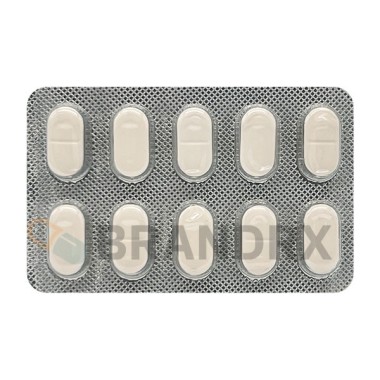
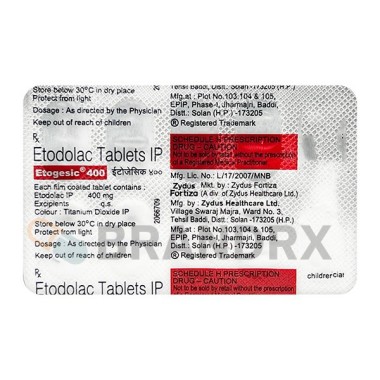
General information about Etogesic 400 mg Alidac Fortiza Etogesic 400 mg Alidac Fortiza is a pharma..
Understanding Etodolac: An Overview
Etodolac is a non-steroidal anti-inflammatory drug (NSAID) that belongs to the class of medications widely recognized for their anti-inflammatory, analgesic, and antipyretic properties. It is primarily used to alleviate pain and inflammation associated with osteoarthritis, rheumatoid arthritis, and other musculoskeletal disorders. The mechanism of action for Etodolac involves the inhibition of cyclooxygenase (COX) enzymes, which play a crucial role in the synthesis of prostaglandins—compounds that mediate inflammation and pain. Products in the Etodolac category share key characteristics, such as their formulation aimed at providing relief from pain without the use of steroids. Additionally, these products often vary in their dosage form to cater to different patient needs, including tablets, capsules, and extended-release formulations.
Categories of Anti-Inflammatory Products
The category of anti-inflammatory medications encompasses a variety of types, including corticosteroids, other NSAIDs, and specific analgesics. While corticosteroids are known for their powerful anti-inflammatory effects, they come with a risk of significant side effects with long-term use. Other NSAIDs, such as ibuprofen and naproxen, may differ in their potency and duration of action. Additionally, acetaminophen is classified as an analgesic but lacks anti-inflammatory properties. Each type serves different patient needs based on the condition being treated, the patient's health status, and the potential for side effects. Understanding these differences is vital when selecting the appropriate medication for inflammatory conditions.
Comparing Etodolac with Other NSAIDs
One of the main distinguishing factors of Etodolac products compared to other NSAIDs is their favorable gastrointestinal profile. Many other NSAIDs can cause gastrointestinal irritation or ulcers, but studies have shown that Etodolac tends to be easier on the stomach, making it a preferred choice for individuals who have experienced adverse effects from other NSAIDs. Moreover, the unique formulation of Etodolac allows for effective pain relief with a potentially lower risk of renal or cardiovascular complications. Users considering Etodolac should weigh their specific condition and goals, such as managing chronic pain or recovering from surgery, which may necessitate a targeted approach to pain relief.
Long-Term Usage and Precautions
When considering the long-term use of Etodolac products, it is essential to weigh the benefits against potential risks. Contraindications may include individuals with a history of gastrointestinal bleeding, active peptic ulcers, or those with certain cardiovascular disorders. Pregnant women and children should approach the use of Etodolac with caution, as the long-term effects on fetal development and pediatric health are not fully understood. Additionally, it is advised that individuals with renal impairment or those taking anticoagulants discuss the use of Etodolac with a healthcare provider to ensure safety. Proper medical guidance can provide valuable oversight in managing side effects and monitoring any potential interactions with other medications.
Choosing the Right Etodolac Product
For individuals exploring Etodolac as a management option for pain and inflammation, several key factors should be considered before initiating treatment. First, it is important to evaluate specific health conditions and any contraindications that might pose a risk when using Etodolac. Patients should also consider consulting with a healthcare professional to determine the appropriate dosage and formulation—whether immediate-release or extended-release—based on their lifestyle and treatment goals. It's also crucial to weigh the symptom relief benefits against the potential risks involved with long-term use. By doing so, patients can make informed decisions that align with their overall health strategy and lifestyle.