
Ebastine
21.00€
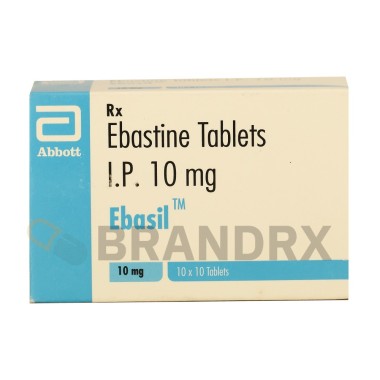
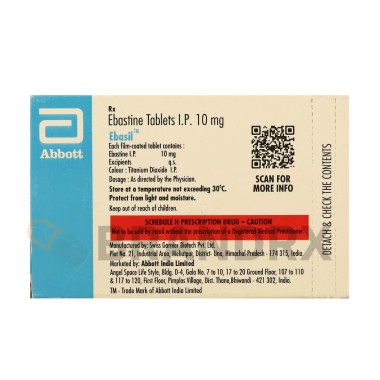
General information about Ebasil 10 mg Abbott Healthcare Pvt. Ltd. Ebasil 10 mg, manufactured by Abb..
Understanding Ebastine
Ebastine is a powerful antihistamine, primarily utilized to manage allergy symptoms such as hay fever and hives. This category of products encompasses a variety of formulations designed to provide relief from the discomfort caused by allergic reactions. The fundamental principle behind Ebastine’s effectiveness lies in its ability to inhibit the release of histamine, a natural substance in the body that causes allergic symptoms. By blocking histamine receptors, Ebastine reduces the physiological responses associated with allergies, offering users a respite from sneezing, itching, and other related symptoms.
Key characteristics of Ebastine products include their long-lasting efficacy, typically offering 24-hour relief, which sets them apart from some other antihistamines. Additionally, many formulations are designed to be non-drowsy, allowing users to maintain their daily activities without the sedative effects commonly associated with older antihistamines. Features common to products in this category include oral tablets, liquid forms, and occasionally sustained-release options, making it convenient for different patient preferences and needs.
Variations in Allergy Relief Products
Within the realm of allergy relief products, several types exist that cater to diverse consumer needs. These can range from traditional antihistamines to newer formulations that include nasal sprays and eye drops. Unlike Ebastine, which functions as a systemic treatment for allergies, some products, such as topical antihistamines, are localized treatments specifically targeting symptoms in the eyes or nasal passages. Moreover, other classes of medications, such as corticosteroids and leukotriene receptor antagonists, focus on different mechanisms of action, potentially providing alternative relief options depending on an individual’s specific allergy profile.
Understanding the differences between these products is crucial. For instance, while some individuals may prefer the targeted relief of a nasal spray, others may require the systemic approach offered by oral antihistamines like Ebastine. When selecting an allergy treatment, users should consider factors such as the nature of their symptoms, the speed of onset required, and the potential for side effects associated with different mechanisms.
Ebastine vs. Other Allergy Medications
When comparing Ebastine products to those from other categories of sports pharmacology or allergy treatments, a few distinctions become apparent. Ebastine stands out for its specific action against histamine-mediated responses, while other medications may tackle allergies through different pathways. For example, corticosteroids reduce inflammation directly, which can be beneficial for chronic rhinitis sufferers.
Users may consider Ebastine particularly useful in situations where rapid and significant allergy relief is paramount—such as during peak pollen seasons or in response to food allergies. People with exercise-induced allergies may also benefit from Ebastine due to its long-lasting effects. Importantly, individuals looking for a non-drowsy option would find Ebastine beneficial in maintaining their daily activity level while managing their symptoms effectively.
Long-Term Use Considerations
Long-term use of allergy relief products, including those containing Ebastine, comes with several important considerations. Over extended periods, users should monitor for any potential side effects, which may include dry mouth, headache, or gastrointestinal disturbances. Certain groups, such as pregnant women, children, and individuals with pre-existing health conditions like severe renal impairment, should consult healthcare professionals before starting any new antihistamine regimen.
Contraindications are critical to be aware of; for instance, individuals allergic to Ebastine or those with certain cardiac issues should avoid this medication. It is essential to discuss existing medication regimens with a healthcare provider, as interactions might diminish efficacy or increase the risk of adverse effects. Users should also regularly evaluate their need for antihistamines, as fluctuating allergy sympoms might indicate a need for reevaluation by a healthcare professional.
Selecting the Right Ebastine Product
When considering products from the Ebastine category, several factors should guide users in making a choice. First and foremost, it’s vital to assess the severity and type of allergies being treated; choosing the right formulation can greatly impact effectiveness. Users should evaluate whether they prefer a tablet or liquid form based on their ease of use and personal preferences.
Another key aspect is the duration of action; opting for sustained-release products can provide extended relief for those with constant allergy symptoms. Additionally, consulting a healthcare provider to discuss individual health histories, possible drug interactions, and personal response to previous medications is advisable before starting any new product. Lastly, considering sensitivity to specific excipients or inactive ingredients in formulations may play a crucial role in achieving the best healthcare outcomes with Ebastine medications.