
Diclofenac potassium
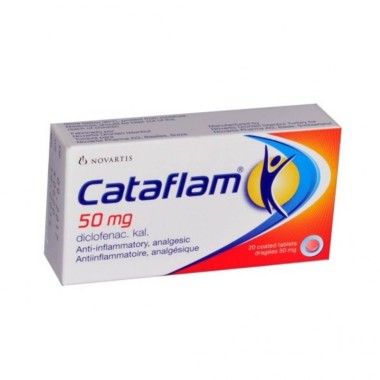
21.00€
Feel Your Power with Cataflam 50 Novartis Every athlete knows the fine line between pushing your lim..
[Contains Diclofenac potassium]
Diclofenac potassium is a non-steroidal anti-inflammatory drug (NSAID) widely utilized in the management of pain and inflammation. The products in the Diclofenac potassium category share several unifying characteristics, primarily their efficacy in alleviating conditions such as arthritis, muscle pain, and post-operative discomfort. These formulations work by inhibiting the production of prostaglandins, which are chemical messengers that signal pain and inflammation in the body. Common forms of Diclofenac potassium include tablets, gels, and topical solutions, allowing for versatile application depending on the user's needs.
The primary feature shared by all Diclofenac potassium products is their rapid onset of action. Patients often experience relief within a short time frame, often within 30 minutes to an hour after administration. Additionally, many products in this group are designed to be more soluble, which enhances their absorption rate and effectiveness. The versatility in dosage forms—ranging from oral tablets to topical application—enhances user convenience, making it easier for individuals to integrate Diclofenac potassium into their pain management regimen.
[Does not contain Diclofenac potassium]
In the broader category of NSAIDs, there are numerous alternatives that either do not contain Diclofenac potassium or function differently. Common alternatives include Ibuprofen, Naproxen, and Aspirin, each of which has unique pharmacokinetics and therapeutic profiles. Ibuprofen, for instance, is favored for its mild anti-inflammatory effects and lower incidence of gastrointestinal side effects compared to certain NSAIDs. Naproxen has a longer duration of action, making it suitable for chronic conditions where sustained relief is required. Understanding the distinctions among these products helps users choose the appropriate medication aligning with their specific health needs and preferences.
Furthermore, the choice between these alternatives can depend on various factors, such as the type of pain being treated, duration of treatment required, and the user's individual health history. While some may favor Diclofenac potassium for its rapid relief, others may find more success with longer-acting options like Naproxen.
[Contains Diclofenac potassium]
When comparing Diclofenac potassium products to those in other categories of sports pharmacology, several critical differences emerge. Often utilized by athletes and active individuals, Diclofenac potassium is particularly valued for its dual capability to address both pain and inflammation efficiently. This characteristic sets it apart from other products that may primarily focus on muscle recovery or energy enhancement.
For instance, while creatine and branched-chain amino acids (BCAAs) are tailored for muscle growth and recovery, Diclofenac potassium serves a distinct function. Users may consider this category when facing acute injuries, strains, or overuse symptoms that require a rapid reduction in pain and inflammation. Athletes may also rely on Diclofenac potassium during periods of intensive training or preparation for competitions, where managing discomfort can be crucial for optimal performance and training adherence.
[Does not contain Diclofenac potassium]
Long-term use of NSAIDs, including those not containing Diclofenac potassium, warrants careful consideration. Chronic use of these products can lead to potential side effects, such as gastrointestinal issues, cardiovascular risks, and kidney impairment. Patients with pre-existing health conditions—like those with peptic ulcer disease, advanced renal disease, or certain heart conditions—should approach NSAID usage with caution. Additionally, it may be strongly advised that pregnant women or children refrain from using certain forms of NSAIDs due to insufficient studies confirming their safety in these populations.
Users should consult healthcare professionals for a comprehensive assessment of their medical history to determine which products may be safe and effective for their particular circumstances. Understanding the implications of long-term NSAID use is essential to protect one’s overall health while managing pain or inflammation.
[Contains Diclofenac potassium]
When selecting products in the Diclofenac potassium category, consumers should assess several key factors to ensure they choose the right option for their needs. First, they should consider the formulation type—whether they prefer oral tablets, topical gels, or another delivery method. This decision may depend on the nature of the pain or inflammation being treated.
Next, evaluating the dosage strength is crucial, as different formulations can vary substantially in terms of potency. Users should also consult product-specific information for any additional ingredients that may affect individual tolerability or efficacy. Understanding peak usage times and recommended frequency is vital for optimal therapeutic outcomes while minimizing potential side effects.
Lastly, thorough self-assessment against dietary and health considerations, alongside appropriate medical consultation, can guide users in making informed choices about incorporating Diclofenac potassium into their pain management strategy. Achieving the right balance between pain relief and safety is paramount to successful outcomes.