
Chicken meat
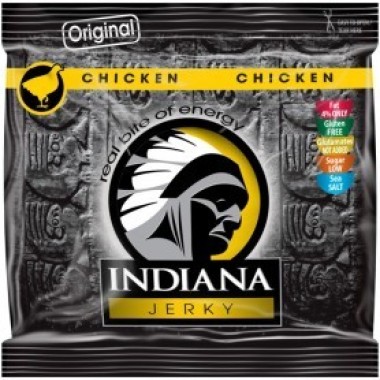
Understanding Chicken Meat
Chicken meat is one of the most consumed types of poultry worldwide, valued for its versatility, affordability, and nutritional benefits. Comprising various parts such as breast, thigh, drumsticks, and wings, chicken meat serves as a primary source of protein for millions of people across different cultures and cuisines. Rich in essential amino acids, vitamins, and minerals, it plays a significant role in supporting overall health and well-being.
From a sports pharmacology perspective, chicken meat offers specific advantages for athletes and individuals seeking to enhance their physical performance. Its high protein content aids in muscle repair and growth, crucial for post-workout recovery. Moreover, it contains various micronutrients, such as B vitamins, selenium, and phosphorus, which contribute to energy metabolism and immune function, essential factors for athletes aiming to optimize their training regimens.
As a staple in many diets, chicken meat is frequently the centerpiece of balanced meals, providing not only protein but also comfort and satisfaction. Preference for chicken meat often stems from its adaptability in numerous cooking methods, ranging from grilling and roasting to stir-frying and baking, making it a beloved ingredient in countless recipes.
Key Considerations for Non-Chicken Meat Products
Products that do not include chicken meat often cater to specific dietary requirements or preferences, such as vegetarianism, veganism, or food allergies. Here are some key characteristics and fundamental principles common to this category:
- Vegetable-Based Proteins: Many non-chicken meat products utilize plant-based proteins like soy, peas, or lentils, offering alternative sources of protein without animal-derived ingredients.
- Allergen Awareness: Products without chicken meat need to be monitored for allergens present in other ingredients, such as nuts or dairy, to prevent adverse reactions.
- Flavor Enhancements: Non-chicken meat alternatives often contain added flavors and spices to mimic the taste of chicken, though this can vary widely by brand and product type.
- Nutritional Profiles: These products typically vary significantly in their nutritional content, some may be fortified with vitamins and minerals to help provide nutritional balance.
- Environmental Considerations: Many consumers choose non-chicken meat products due to concerns regarding sustainability and the environmental impact of poultry farming.
Additionally, it is essential to be mindful of precautions related to non-chicken products:
- Pregnant Women: Those expecting should consult with healthcare providers regarding dietary needs and allergens.
- Children: Some non-chicken products may not be suitable for children due to the risk of certain allergens or insufficient nutritional content.
- Medical Conditions: Individuals with specific health conditions might need to avoid non-chicken meat products if they contain allergens or compounds that aggravate their condition.
Exploring Current Trends in Chicken Meat
Recent years have seen significant trends and developments in chicken meat production and consumption, shaped by consumer preferences and health consciousness. One notable trend is the increasing demand for organic and free-range chicken meat, which reflects a consumer shift towards ethical farming practices and cleaner food sources. These options not only promise a better lifestyle for farmed chickens but are also believed to offer superior taste and nutritional value.
Another development is the incorporation of chicken meat into healthier meal plans, including the rise of meal prep services that feature chicken-based dishes designed for fitness enthusiasts. These services highlight the convenience of pre-portioned, easy-to-cook chicken meals that cater to busy lifestyles while promoting balanced nutrition.
Furthermore, culinary versatility continues to drive innovations, with new marinating and seasoning techniques enhancing the flavor profile of chicken meat dishes. Consumers are increasingly interested in exploring diverse global cuisines that feature chicken meat, from spicy Asian dishes to classic Mediterranean recipes, reflecting a broader appreciation for culinary diversity.
The Role of Non-Chicken Products in Sports Pharmacology
Non-chicken meat products are gaining traction in sports pharmacology, particularly among athletes adhering to vegetarian or vegan lifestyles. These alternative proteins serve as an essential part of meal plans focused on performance, recovery, and muscle maintenance. By providing nutritional completeness when combined with other food groups, non-chicken products can support athletic goals effectively.
Moreover, the incorporation of innovative plant-based ingredients that mimic the taste and texture of meat continues to evolve, providing a satisfying option for athletes who wish to avoid poultry. When used properly and combined with a well-rounded diet, these products can offer the necessary nutrients without compromising on taste or satisfaction.
In conclusion, both chicken meat and non-chicken alternatives play significant roles in contemporary dietary practices, particularly for those interested in health, fitness, and ethical consumption. Understanding the characteristics, benefits, and considerations of these products is crucial for making informed dietary choices, tailored to individual health goals and lifestyles.