
Cetirizine
36.00€
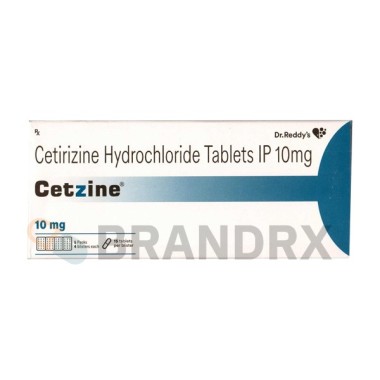
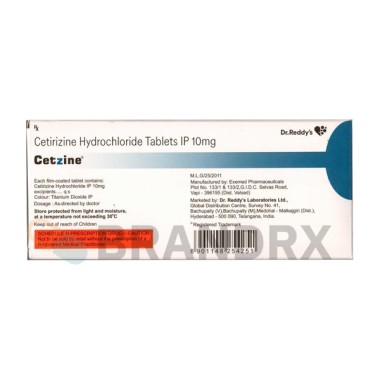
Cetzine 10 mg Pharmaceutical Introducing Cetzine 10 mg Pharmaceutical, a premium solution tailored ..
30.00€
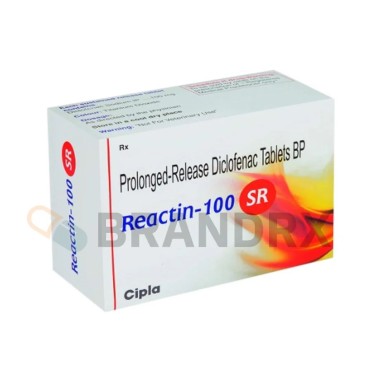
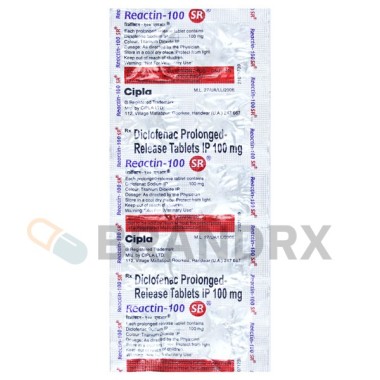
Overview and Purpose of Reactin SR 100 mg Cipla Reactin SR 100 mg, developed by Cipla, is a speciali..
[Contains Cetirizine]
Cetirizine is a widely recognized second-generation antihistamine that plays a significant role in alleviating allergy symptoms. It is primarily utilized to manage hay fever (allergic rhinitis), including symptoms such as sneezing, runny nose, and itchy, watery eyes. Additionally, Cetirizine provides relief from chronic urticaria (hives) by reducing histamine-induced itching and discomfort. Due to its lower propensity to cause sedation compared to first-generation antihistamines, Cetirizine has become a preferred option for individuals looking for allergy relief without significant drowsiness.
In the realm of sports pharmacology, Cetirizine can serve as a valuable asset for athletes susceptible to allergic reactions, particularly during pollen-heavy seasons or in environments with triggers like dust or pet dander. By effectively mitigating the effects of allergies, athletes can maintain optimal performance levels and focus during training and competitions without the distraction of discomfort. Understanding how this medication fits within performance-enhancing strategies allows athletes to make informed decisions about their health while navigating the complexities of allergy management.
[Does not contain Cetirizine]
Allergy relief products often share common characteristics that help to define their use and efficacy. While these products can vary widely in formulation and effects, their core principles typically revolve around antihistaminic activity and symptom relief. For those considering non-Cetirizine options, it’s essential to be aware of certain contraindications and precautions, which can be outlined as follows:
- Pregnant Women: Many allergy medications are not recommended during pregnancy, as they may pose risks to the developing fetus.
- Children: Dosing for children varies significantly, and some antihistamines may not be suitable for young patients or may require medical supervision.
- Individuals with Asthma: Some antihistamines may exacerbate symptoms in those with asthma or other respiratory conditions.
- Liver Disease: Individuals with impaired liver function might require dosage adjustments or alternative medications due to the way antihistamines are metabolized.
- Those Interacting with Other Medications: Patients taking other psychotropic drugs or sedatives should be aware of potential interactions that could enhance sedative effects.
[Contains Cetirizine]
Recent trends in the use of Cetirizine have indicated a growing interest among consumers towards non-drowsy formulations that provide 24-hour relief. Manufacturers have responded with innovative approaches, integrating Cetirizine into various delivery systems, including orally disintegrating tablets and liquid forms, to enhance user convenience and compliance. Evolving research continues to investigate the long-term safety and efficacy of Cetirizine, emphasizing its role in chronic allergy management and its integration into holistic health strategies.
Moreover, the increased availability of over-the-counter Cetirizine has empowered individuals with allergies to manage their symptoms proactively. Consumer preferences are also shifting towards formulas that combine Cetirizine with natural ingredients, appealing to those seeking an integrative approach to allergy relief. As more athletes and fitness enthusiasts prioritize health and performance, they continue to explore how Cetirizine and similar medications can fit into their routines to maintain optimal physical conditions amid allergy concerns.
[Does not contain Cetirizine]
Within the broader category of allergy relief medications, products devoid of Cetirizine encompass a range of therapeutic options aimed at addressing allergic reactions and symptoms. These alternatives may include first-generation antihistamines, corticosteroids, or even non-pharmacological interventions like saline nasal sprays. The role of these products in sports pharmacology is vital, as they provide effective solutions for individuals who may not respond well to second-generation antihistamines like Cetirizine.
Understanding the characteristics and intended applications of competing products helps athletes make informed decisions concerning their allergy management, especially in sports environments where performance can be adversely affected by allergic conditions. Employing such products responsibly can improve quality of life, enabling athletes to focus on their performance goals while dealing with the challenges of allergies in an effective and safe manner.