
Carisoprodol
12.00€
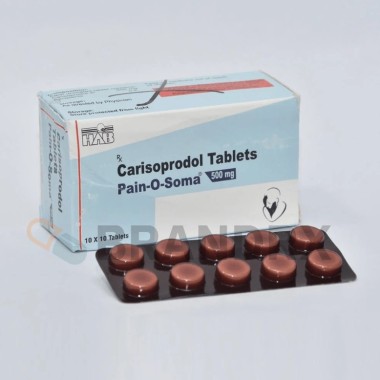
Pain-O-Soma 500 mg HAB Pharmaceuticals: Solution to Your Main Problem Are you tired of living in a ..
18.00€
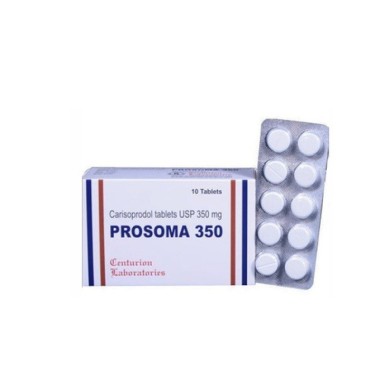
General information about Prosoma 350 mg Centurion Laboratories Prosoma 350 mg by Centurion Laborat..
34.00€
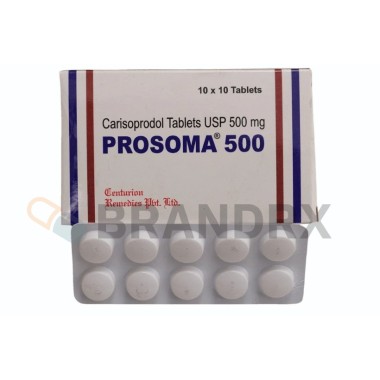
Overview and Purpose of Prosoma 500 mg Centurion Laboratories Prosoma 500 mg, manufactured by Centur..
Carisoprodol Overview
Carisoprodol is a centrally acting muscle relaxant that is primarily utilized for the treatment of acute musculoskeletal conditions and pain associated with muscle spasms. It acts by interrupting neuronal communication within the reticular formation and spinal cord, resulting in muscle relaxation. Commonly prescribed for short-term use, Carisoprodol is often combined with rest, physical therapy, and other adjunct treatments to enhance recovery from minor injuries or discomfort.
In sports pharmacology, Carisoprodol can be viewed as a double-edged sword. On one hand, it is lauded by some athletes for its muscle-relaxing and anti-anxiety properties, potentially aiding in recovery and short-term performance adjustments. On the other hand, its classification as a controlled substance in various jurisdictions raises concerns about abuse and dependency among athletes striving for competitive advantages. In the realm of performance enhancement, the proper use of Carisoprodol should be carefully monitored under medical supervision to avoid any long-term detrimental effects.
Characteristics of Muscle Relaxants
- Mechanism of Action: Muscle relaxants vary in their mechanisms of action, targeting different pathways to achieve muscle relaxation. Non-selective agents like Carisoprodol affect the central nervous system, while others may work peripherally.
- Contraindications: Certain populations should refrain from using muscle relaxants, including:
- Pregnant women due to potential risks to fetal development.
- Children, as safety and efficacy haven't been fully established.
- Individuals with a history of substance abuse, as these agents can lead to dependency.
- Patients with severe liver or kidney disorders, which can affect drug metabolism and excretion.
- Precautions: Users should be cautious if they are concurrently taking other CNS depressants (like opioids or alcohol), as interactions can enhance sedation and respiration suppression.
- Side Effects: While use of these agents can provide symptomatic relief, they can also present side effects such as dizziness, drowsiness, and potential for allergic reactions.
Current Trends in Carisoprodol Use
As the field of sports pharmacology progresses, trends concerning Carisoprodol's use are evolving. The discussion is increasingly focused on distinguishing between responsible therapeutic use and misuse associated with performance enhancement. New formulations and delivery methods are also under exploration, aiming to mitigate side effects while maintaining efficacy. Research continues to dissect the long-term impacts of Carisoprodol usage on athletic performance, with particular emphasis on dependency issues and regulatory implications.
Current applications of Carisoprodol range from legitimate therapeutic contexts in treating muscle pain to concerns regarding abuse potential among athletes seeking shortcuts to recovery and performance improvement. Regulatory bodies are paying closer attention to prescriptions and usage patterns within the athletic community. Responsible agencies advocate for clear guidelines regarding its use, emphasizing the importance of medical supervision and ethical practice in sports.
Understanding the Role of Muscle Relaxants in Sports Pharmacology
Muscle relaxants play a crucial role in the domain of sports pharmacology, offering benefits such as pain relief and muscle spasm management. These medications, including those such as Carisoprodol, are typically indicated for short-term use in acute contexts, assisting athletes in managing pain while promoting recovery and rehabilitation.
Effective muscle relaxants can provide athletes with the necessary support to return to their activities post-injury, alleviating discomfort and enhancing overall performance. However, the implications of using such substances require careful consideration of ethical, health, and legal contexts. Athletes are encouraged to seek guidance from healthcare professionals to ensure that their use of muscle relaxants is both responsible and compliant with relevant sporting regulations.
In summary, while the category of muscle relaxants fulfills essential therapeutic roles within sports pharmacology, vigilance is necessary to prevent misuse and ensure athletes are prioritizing their long-term health and integrity in the sport.