
Capecitabine
331.00€
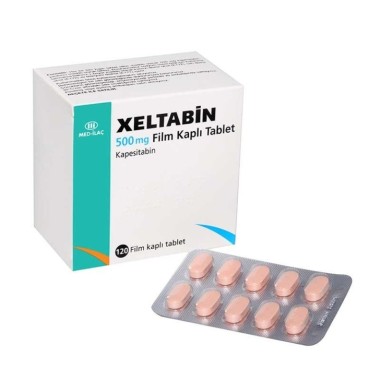
What is included in the composition of Xeltabin 500 Med Ilac Xeltabin 500 Med Ilac is a comprehensi..
[Contains Capecitabine]
Capecitabine is a chemotherapeutic agent primarily utilized in the treatment of certain types of cancers, including colorectal and breast cancer. It is an oral prodrug of 5-fluorouracil (5-FU) and works by interfering with the synthesis of DNA and RNA, ultimately inhibiting cancer cell growth. Capecitabine is especially significant because it allows for outpatient treatment, providing an alternative to traditional intravenous chemotherapy, thus improving patient convenience and quality of life.
In the sphere of sports pharmacology, discussions around Capecitabine occasionally arise amongst athletes and those focused on enhancing performance. While Capecitabine is not explicitly used for performance enhancement, the understanding of its pharmacodynamics can hold various implications, particularly in athletes who may be managing cancer treatment while pursuing their sports careers. The intersection of oncology and sports medicine presents unique challenges and considerations for both health and athletic performance, emphasizing the need for comprehensive care in both domains.
[Does not contain Capecitabine]
Products falling within the category of therapeutic agents often focus on cancer treatment, but there are key characteristics and fundamental principles that define this classification. These products generally aim to target specific cellular processes and pathways to effectively combat malignant growths. Here are some important considerations:
- Contraindications: These products may not be suitable for individuals with severe hypersensitivity to the active ingredients or those with specific medical conditions, including but not limited to renal impairment.
- Precautions: Patients may need to exercise caution if they have a history of liver dysfunction, as this can impact drug metabolism and clearance.
- Pregnant Women: Teratogenicity is a potential risk associated with many cancer therapies, necessitating careful consideration and consultation with a healthcare provider.
- Children: Pediatric use of cancer therapies requires special considerations and adjustments due to differing metabolic rates and the growth stages of children.
- Individuals with Comorbidities: Patients with multiple health concerns should approach the use of such products with caution and under strict medical supervision.
[Contains Capecitabine]
Current trends in the use of Capecitabine point towards its evolving applications in combination treatments, alongside other chemotherapeutic agents or targeted therapies. Research and clinical trials continue to explore its efficacy against a broader spectrum of cancers, contributing to its adaptability in oncology. Additionally, patient preferences for oral medication over intravenous infusion are driving a growing demand for Capecitabine as a treatment option in outpatient settings.
Emerging data surrounding user experiences and preferences highlight a positive trend towards patient adherence, as fewer hospital visits translate to enhanced compliance with treatment regimens. Moreover, there is an increasing focus on personalized medicine, where Capecitabine may be tailored based on genetic markers to optimize therapeutic outcomes. As research into pharmacogenomics advances, it may become commonplace for treatments like Capecitabine to be customized to improve efficacy and reduce side effects.
[Does not contain Capecitabine]
Within the domain of sports pharmacology, therapeutic agents largely serve to support patients recovering from illnesses, injuries, or chronic conditions, while ensuring athletes maintain their overall health and performance. A structured understanding of this product category encompasses several essential characteristics:
Therapeutic agents commonly aim to address specific health issues while promoting recovery and overall athlete well-being. It is critical for practitioners and athletes alike to recognize the importance of responsible use, always adhering to clinical guidelines and regulatory standards. Engaging in informed decision-making about the use of these medications can dramatically improve outcomes and ensure the safe continuation of athletic activities. This approach fosters not only performance and resilience but also respects the ethical considerations inherent in sports pharmacology.