
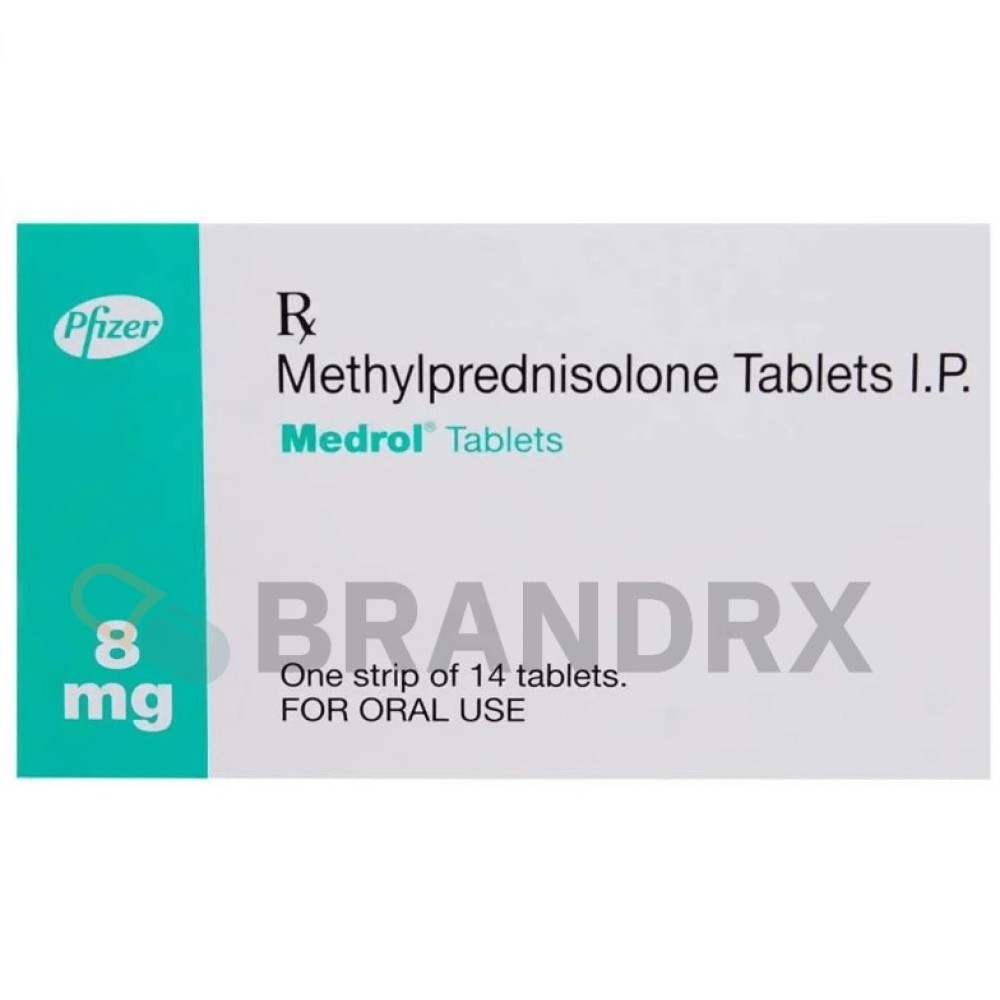
Medrol 8 mg Pfizer
Understanding Medrol 8 mg Pfizer: A Reliable Solution for Health and Performance
Medrol 8 mg, produced by Pfizer, is a pharmaceutical form of the active ingredient methylprednisolone, a synthetic corticosteroid. Corticosteroids are widely recognized for their diverse physiological roles, particularly in inflammation regulation, immune response modulation, and metabolic management. In athletic circles, understanding the implications of Medrol goes beyond treating severe inflammatory conditions; it encompasses its influence on muscle growth, recovery rates, and overall performance enhancement.
The Physiological Role of Methylprednisolone
Methylprednisolone plays a critical role in the body’s response to stress and injury. By directly interacting with glucocorticoid receptors, it influences gene expression, modulating the inflammatory response that is often heightened due to physical stressors such as intense workouts. This action reduces edema and swelling, facilitating a quicker recovery process following intense training or injury.
Influence on Muscle Growth and Recovery
The commonality of muscle hypertrophy and recovery rates in athletes is significantly influenced by hormones and metabolic regulation. Studies indicate that the careful use of corticosteroids, including Medrol, can assist in maintaining anabolic efficiency during post-exercise recovery. By mitigating detrimental inflammation, they allow athletes to resume training sooner and more effectively.
While some may express concerns regarding anabolic steroid usage, it's vital to acknowledge that Medrol operates differently. It does not directly induce muscle growth akin to anabolic steroids; however, by ensuring a faster recovery, it indirectly supports an athlete’s ability to train consistently. Proper management of inflammation can lead to improved training intensity and frequency, yielding better long-term results.
Fat Metabolism and Hormone Regulation
Medrol also plays a role in metabolic regulation, influencing fat metabolism which is crucial for athletes striving for optimal body composition. According to clinical studies, corticosteroids can impact fat distribution and influence the overall metabolic profile, leading to more effective energy utilization during workouts. This promotes not only enhanced endurance but also supports natural testosterone levels by alleviating unnecessary stress, which is known to disrupt hormonal balances.
Typical Dosage and Recommendations
The typical dosage of Medrol for performance-related recovery generally ranges from 4 mg to 16 mg daily, depending on the individual’s baseline health and training demands. For beginners or intermediate users, starting on the lower end of the dosage spectrum is advisable to assess individual tolerance and response. It is crucial to consult a healthcare professional before initiating any usage, ensuring the dose aligns with personal health considerations and performance goals.
Safe Usage and Side Effects
While Medrol is produced under controlled conditions to maintain its efficacy and safety, responsible usage is paramount. Users must remain aware of potential side effects, which can include increased blood pressure, blood sugar fluctuations, and mood changes. Monitoring these effects is essential, and any concerns should prompt immediate consultation with a healthcare provider.
Your Next Step Towards Enhanced Performance
If you’re ready to maximize your athletic performance safely and strategically, incorporating Medrol 8 mg Pfizer into your regimen might be the next logical step. A balance of enhanced recovery, improved muscle performance, and fat metabolism can be achieved with the correct dosage and responsible oversight. Consultation with a healthcare professional is highly recommended to personalize your approach to leveraging this scientifically backed solution.
| Features | |
| Also known as | Methylprednisolone acetate, methylprednisolone sodium succinate |
| Blood pressure | Can raise blood pressure |
| Chemical name | 11ОІ,17,21-Trihydroxy-6О±-methylpregna-1,4-diene-3,20-dione |
| Dosage (medical) | 4 mg to 48 mg per day depending on the condition being treated |
| Dosage (sports) | Not applicable for performance enhancement as its use is primarily medical |
| Effects | Reduces inflammation, suppresses immune response |
| Formula | C22H30O5 |
| Half-life | 18 to 36 hours |
| Hepatotoxicity | Low |
| Lab Test | Can influence cortisol levels in blood tests |
| Main action | Anti-inflammatory and immunosuppressant |
| Side effects | Weight gain, hypertension, mood swings, increased risk of infection, osteoporosis |
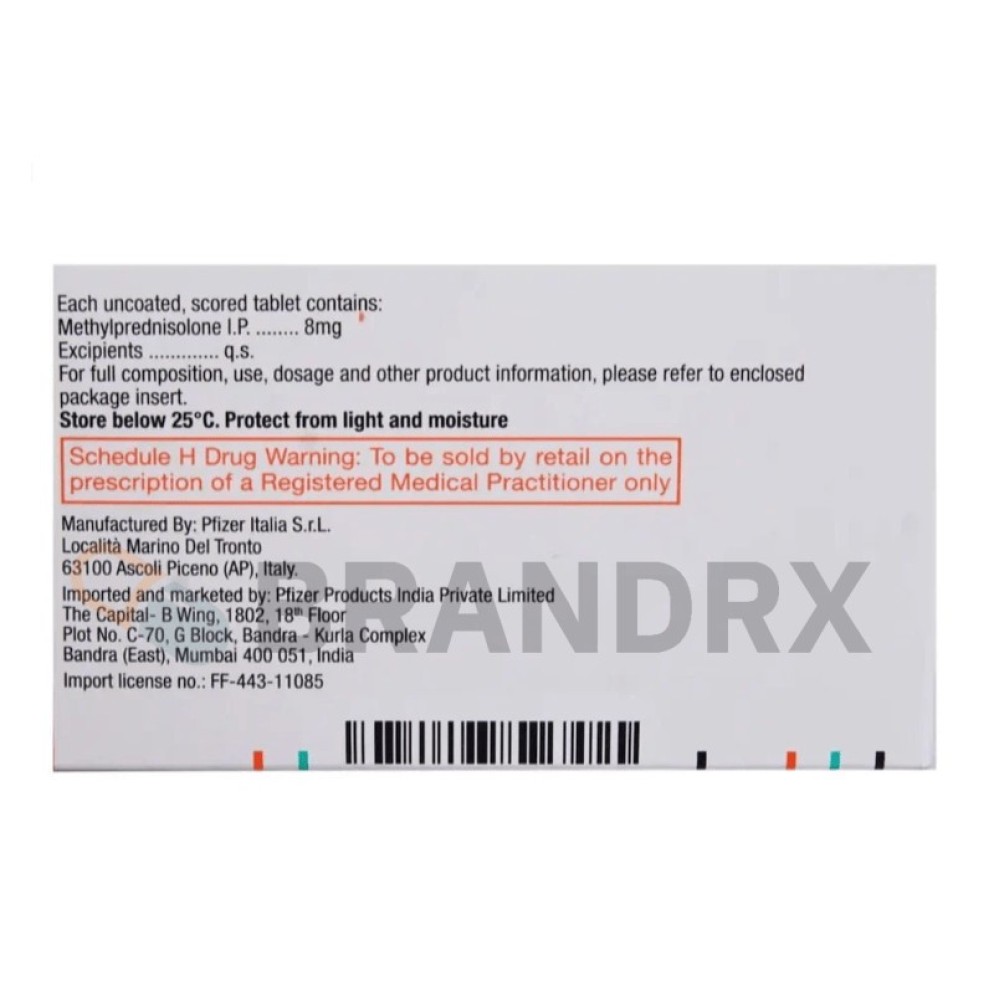
| Storage conditions | Store at room temperature away from moisture and heat |
| Strength | 8 mg |
| Substance class | Corticosteroid |
| Trade name | Medrol, Solu-Medrol |
| Use in sports | Used medically to treat inflammation but may be abused for injury recovery |
| Water Retention | Yes, can cause fluid retention |
| Manufacturer | Pfizer |