
Januvia MSD
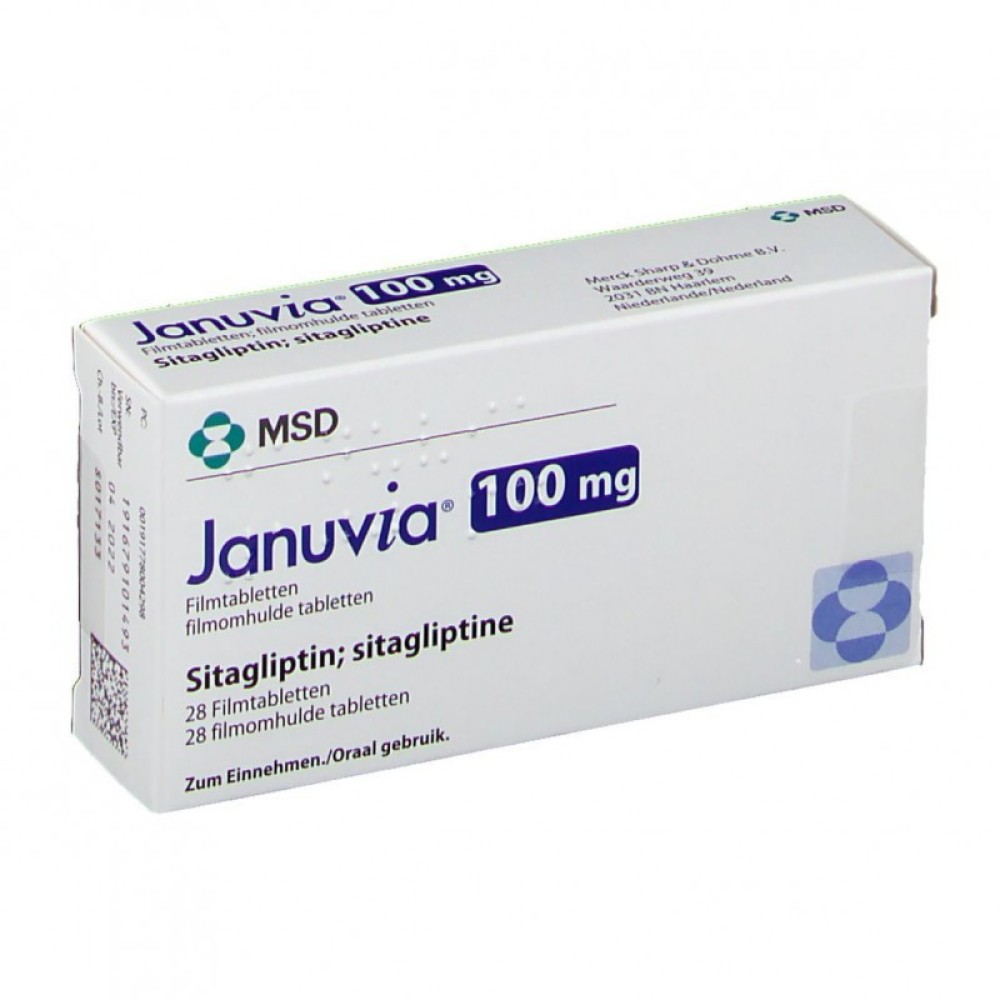
Characteristics of the Product
Januvia MSD is a medication primarily used for the management of Type 2 diabetes. However, it has gained attention in sports pharmacology for its potential effects on glucose metabolism and insulin sensitivity. This unique pharmaceutical compound belongs to a class of medications known as DPP-4 inhibitors, which function by enhancing the incretin hormone levels, ultimately leading to decreased blood sugar levels. In competitive sports, optimal blood sugar management is crucial for maintaining energy levels and overall performance.
Composition of the Product
The active ingredient in Januvia MSD is sitagliptin. This compound plays a significant role in improving glycemic control by inhibiting the enzyme dipeptidyl peptidase-4 (DPP-4). The inhibition leads to increased levels of incretin hormones, which in turn stimulates insulin secretion and reduces glucagon levels post meals. This carefully balanced composition makes Januvia a desirable option for individuals seeking better metabolic control while also offering potential benefits for athletes looking to enhance their performance through improved insulin function.
Dosage Form
Januvia MSD is available in oral tablet form, making it convenient for users to incorporate it into their daily routine. Typically, the tablets come in various strengths, such as 25 mg, 50 mg, and 100 mg. These options allow for a tailored dosing approach to meet the specific needs of individual users. The ease of oral administration is particularly beneficial for athletes who may be managing multiple supplements or medications.
Pharmacotherapeutic Group
Januvia MSD falls under the pharmacotherapeutic group of antidiabetic agents, specifically categorized as a DPP-4 inhibitor. This classification underscores its primary role in managing Type 2 diabetes. Its primary function is not solely rooted in aiding diabetic patients but also extends into optimizing metabolic processes, making it an attractive option in sports pharmacology. As athletes often seek to improve their body's efficiency in utilizing glucose, Januvia's characteristics fit well into this demand.
Pharmacological Properties
Januvia MSD's pharmacological properties are anchored in its ability to increase levels of incretin hormones by inhibiting the DPP-4 enzyme. By doing so, it augments insulin secretion from the pancreas when glucose levels rise, which can contribute to better blood sugar control. Additionally, it helps lower glucagon secretion, thereby reducing glucose production in the liver. These effects can enhance an athlete's glucose utilization during physical exertion, which can be pivotal for endurance and performance during high-intensity activities.
Application Features
The application of Januvia MSD requires consideration of several factors, particularly in the context of sports pharmacology. While it is not officially approved for performance enhancement, its effects on metabolism could theoretically provide athletes with certain advantages. It is crucial, however, that athletes consult with healthcare professionals to understand the appropriateness of its use in their training regimens. Furthermore, the monitoring of blood glucose levels remains essential to ensure optimal performance and safety.
Method of Administration and Dosages
Januvia MSD is administered orally, typically taken once daily, with or without food. The standard dosage for adults is usually 100 mg per day, although healthcare providers may adjust this based on individual glycemic goals and tolerance. It is imperative for users to adhere strictly to the prescribed dosage to avoid potential adverse effects. Consistency in intake can help maintain steady blood glucose levels, especially important for athletes whose performance may be influenced by these levels.
Indications for Use
This medication is primarily indicated for the management of Type 2 diabetes mellitus. It is recommended for use in conjunction with diet and exercise to improve glycemic control in adults. While its primary use is therapeutic, athletes might explore its potential benefits in metabolic regulation and performance. It is essential that these uses are discussed with medical professionals who specialize in sports medicine and nutrition.
Contraindications
There are certain contraindications associated with the use of Januvia MSD that users must be aware of. It should not be used in individuals who have a known hypersensitivity to sitagliptin or any component of the formulation. Additionally, it is not recommended for patients with Type 1 diabetes or for the treatment of diabetic ketoacidosis. Caution should also be exercised in patients with a history of pancreatitis, as the medication may exacerbate this condition.
Interaction with Other Drugs
Januvia MSD may interact with various other medications, which can impact its effectiveness and safety. It is particularly important to inform healthcare providers about any additional medications being taken, including over-the-counter supplements and herbal products. Some medications that can affect how Januvia MSD works include those that influence the metabolism of glucose, such as glucocorticoids or beta-blockers. Comprehensive communication with a healthcare provider can help mitigate these risks and ensure the safe use of Januvia in combination with other therapies.
Overdose
In the event of an overdose of Januvia MSD, symptoms may vary and can include severe low blood sugar (hypoglycemia) among other potential effects. It is critical for users to seek medical attention immediately if an overdose is suspected. Symptoms of hypoglycemia include confusion, shakiness, sweating, and feeling faint or weak. Preventative measures include adhering to prescribed dosages and regularly monitoring blood sugar levels to detect any abnormalities early.
Side Effects
Users of Januvia MSD may experience various side effects, which can range from mild to severe. Common side effects include headache, nasal congestion, sore throat, and gastrointestinal disturbances such as nausea or diarrhea. Some individuals may also experience more serious side effects, such as pancreatitis or severe allergic reactions. It is crucial for users to report any adverse effects to their healthcare provider promptly to ensure their safety and well-being.
Buy the Januvia MSD in Ireland
Purchasing Januvia MSD in Ireland offers several advantages regarding convenience and accessibility. Many online pharmacies provide easy ordering with discreet delivery options directly to your doorstep. This method of purchase allows individuals to obtain their medication without facing the stress of in-person visits. Moreover, the growing availability of generics and competitive pricing ensures that obtaining this essential medication remains affordable for those in need.
| Features | |
| Acne | No |
| Active substance | Sitagliptin |
| Also known as | 7-[(3R)-3-Amino-1-oxo-4-(2,4,5-trifluorophenyl)butyl]-5,6,7,8-tetrahydro-3-(trifluoromethyl)-1,2,4-triazolo[4,3-a]pyrazine phosphate (1:1) |
| Aromatization | No |
| Blood pressure | Generally has a neutral effect on blood pressure |
| Chemical name | Sitagliptin phosphate |
| Dosage (medical) | Typically 100 mg once daily |
| Dosage (sports) | Not applicable |
| Effects | Improves blood glucose control |
| Formula | C16H15F6N5O•H3PO4 |
| Half-life | Approximately 12.4 hours |
| HBR | No |
| Hepatotoxicity | No |
| Lab Test | Monitoring of blood glucose and HbA1c levels |
| Main action | Increases insulin release and decreases glucagon levels in a glucose-dependent manner |
| Side effects | Nasopharyngitis, headache, upper respiratory tract infection, hypoglycemia (when used with other antidiabetics) |
| Storage conditions | Store at room temperature, away from moisture and heat |
| Substance class | Dipeptidyl peptidase-4 (DPP-4) inhibitor |
| Trade name | Januvia |
| Use in sports | Not typically used in sports |
| WAREHOUSE | International Warehouse 2 |
| Water Retention | No |
| Manufacturer | MSD |