
Actos 30 TAKEDA
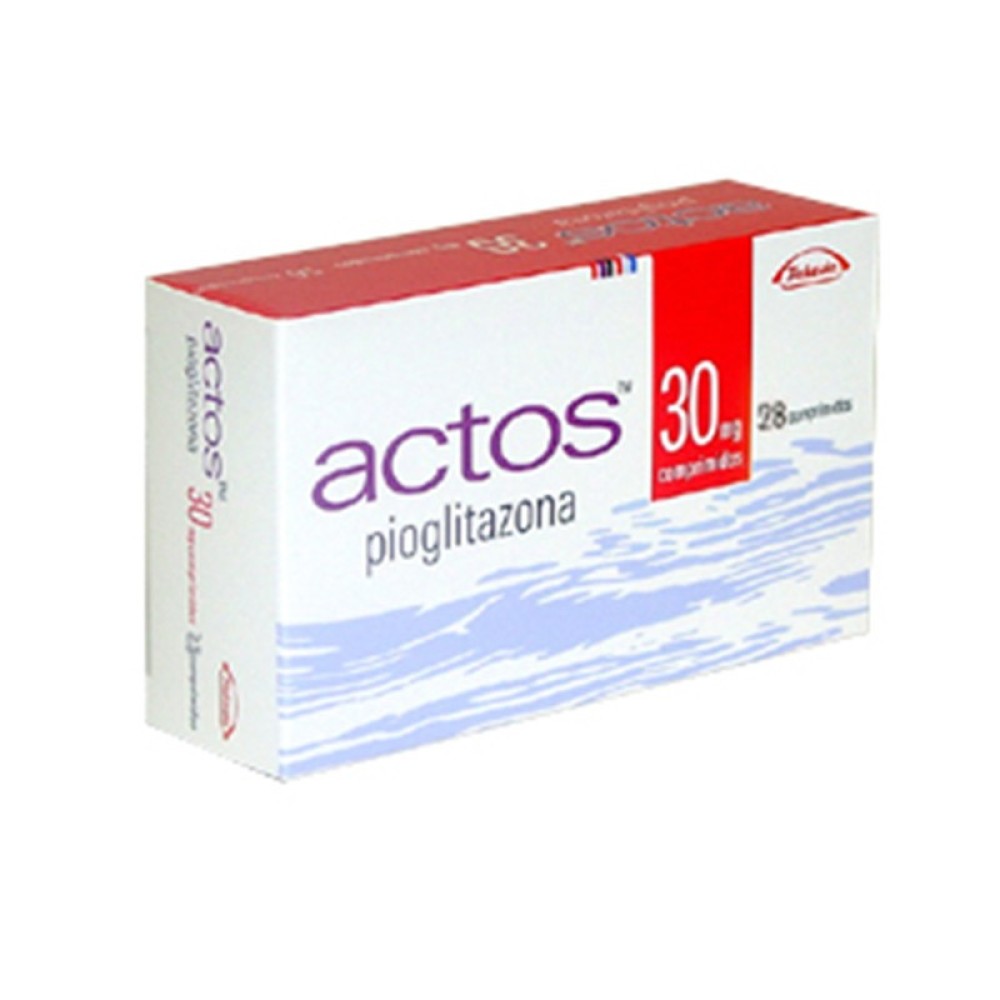
Brief description of Actos 30 TAKEDA and its use in sports
Actos 30 TAKEDA, known generically as pioglitazone, is a medication primarily prescribed for the management of type 2 diabetes. It plays a crucial role in enhancing insulin sensitivity and regulating blood sugar levels. Although its primary application is in the treatment of diabetes, athletes have begun to explore its off-label uses, particularly for its potential to improve metabolic functions. The drug works by activating peroxisome proliferator-activated receptors (PPARs), which influences fat cell metabolism and glucose homeostasis. This mechanism not only aids in the regulation of energy levels but also has the potential to support endurance in athletic performance.
In the realm of sports, athletes sometimes turn to Actos for its potential benefits beyond glycemic control, such as promoting better fat utilization during prolonged exercise. Enhanced aerobic capacity and increased fat oxidation can be advantageous for endurance athletes, helping them sustain energy over longer periods. Additionally, the modulation of inflammation is another possible benefit, which can facilitate quicker recovery between intense training sessions. However, it’s essential to approach Actos with caution; understanding its implications and effects on exercise performance requires careful consideration and, ideally, professional guidance.
Expected results and dynamics of athletic progress
The utilization of Actos 30 TAKEDA can lead to a variety of expected results, especially concerning athletic performance and physical conditioning. One of the primary anticipated outcomes is improved insulin sensitivity, which may result in enhanced nutrient uptake in the muscle cells. This translates to better energy management during workouts, allowing athletes to perform at higher intensities while minimizing fatigue. Furthermore, the ability to shift towards utilizing fat as a primary energy source not only helps in weight management but also supports longer training sessions by preserving glycogen stores.
Additional dynamics of athletic progress may also include enhanced recovery times and reduced exercise-induced inflammation. As Actos potentially possesses anti-inflammatory properties, athletes can experience less soreness and quicker recovery between rigorous training blocks. The balance between effective training and appropriate rest is vital for continuous improvement and performance progression. Furthermore, anecdotal reports suggest that athletes might achieve an edge in endurance competitions, thanks to the drug’s ability to augment metabolic flexibility. Ultimately, athletes should document their progress and consult with health professionals to gauge the impacts effectively.
How to properly take Actos 30 TAKEDA: course and dosage
To maximize the benefits of Actos 30 TAKEDA while minimizing risks, understanding the appropriate dosage and course of administration is critical. Typically, the standard starting dose for managing type 2 diabetes is 15 mg to 30 mg daily. However, athletes considering Actos for off-label use should consult with a healthcare provider to determine the most suitable dosage based on individual health conditions and fitness goals. It's crucial to start at a lower dosage, gradually increasing as needed while monitoring for any adverse reactions.
For optimal results, Actos is usually taken once daily, with or without food. Adhering to a consistent schedule is vital for maintaining stable drug levels in the body. In terms of course length, the duration of use should be based on personal health assessments and performance aspirations. Regular medical check-ups are advised to ensure no adverse effects develop, as well as to adjust dosages if necessary. This structured approach to use not only enhances the potential benefits but also safeguards overall health during supplementation.
Side effects, risks, and contraindications
While Actos 30 TAKEDA presents several potential benefits for athletes, it is essential to be aware of its side effects, risks, and contraindications. Common side effects may include headaches, dizziness, and gastrointestinal issues such as diarrhea and nausea. More concerning risks involve the potential for fluid retention, which can lead to edema and affect cardiovascular health. Additionally, there is an ongoing discussion regarding the risk of certain cancers associated with long-term use of pioglitazone, necessitating cautious consideration before starting the medication.
There are specific contraindications that users should be aware of, including a history of heart failure, active bladder cancer, or severe liver disease. Individuals with these pre-existing conditions should avoid Actos to prevent exacerbation of their health issues. As always, it is imperative for athletes to conduct thorough research and consult a healthcare professional before beginning any regimen involving Actos. By understanding both the benefits and the risks, users can make informed decisions about integrating this medication into their health and fitness strategy.
Where to buy Actos 30 TAKEDA online on our sports pharmacology website in Ireland
If you’re considering incorporating Actos 30 TAKEDA into your fitness regimen and you’re located in Ireland, purchasing through our reputable sports pharmacology website ensures reliability and efficiency. Utilizing our platform guarantees access to quality products supported by authentic customer reviews, helping you make informed choices. We prioritize customer satisfaction, offering detailed product descriptions and transparent information regarding dosage and use.
In addition to high-quality products, we provide a secure shopping experience with various payment options and discreet packaging for your convenience. Taking the step to enhance your athletic performance is significant, and choosing the right platform for purchase is crucial. Start your journey towards improved performance and well-being today by visiting our website to explore the potential benefits of Actos 30 TAKEDA.
| Features | |
| Acne | No |
| Active substance | Pioglitazone |
| Also known as | Pioglitazone hydrochloride |
| Aromatization | No |
| Blood pressure | Could potentially cause fluid retention which might increase blood pressure |
| Chemical name | 5-[[4-[2-(5-ethyl-2-pyridinyl)ethoxy]phenyl]methyl]-2,4-thiazolidinedione |
| Dosage (medical) | Typically 15-45 mg per day |
| Dosage (sports) | Not applicable |
| Effects | Lowers blood glucose, increases insulin sensitivity |
| Formula | C19H20N2O3S |
| Half-life | 3-7 hours |
| HBR | No |
| Hepatotoxicity | No |
| Lab Test | Monitoring blood glucose and liver function tests |
| Main action | Antidiabetic, insulin sensitizer |
| Side effects | Weight gain, edema, heart failure, increased risk of bladder cancer, bone fractures |
| Storage conditions | Store at room temperature, protect from moisture and light |
| Substance class | Thiazolidinedione |
| Trade name | Actos |
| Use in sports | Not typically used in sports |
| WAREHOUSE | International Warehouse 2 |
| Water Retention | No |
| Manufacturer | Takeda |